Filters
HSE Improvement Measures
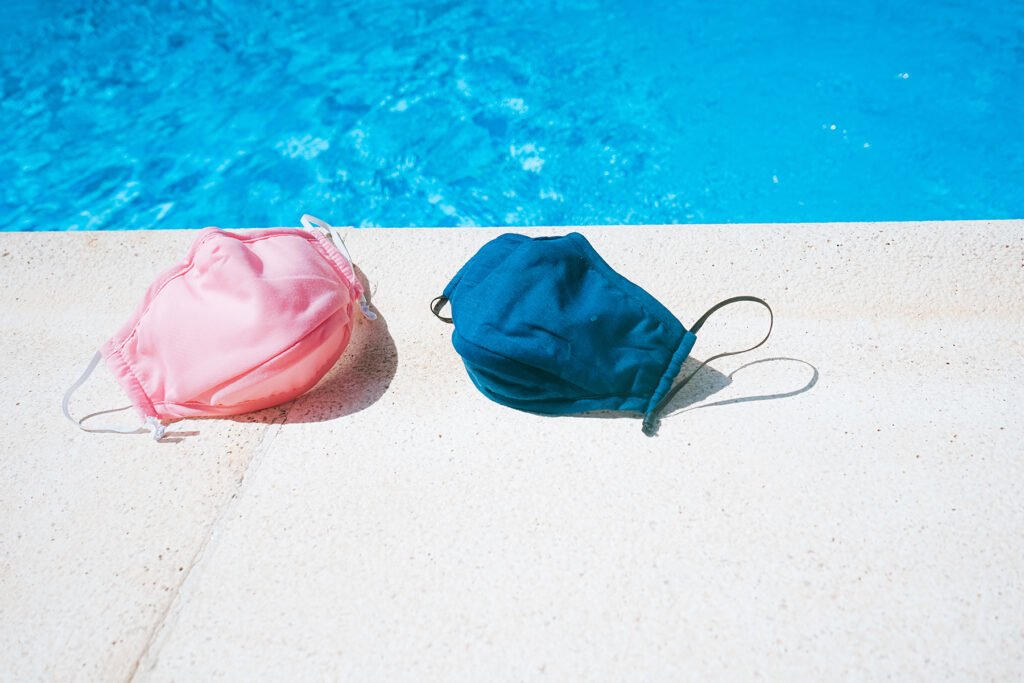
Individuals should continue to protect themselves and others at recreational water venues both in and out of the water by practicing physical distancing and good hand hygiene

Inspect workplace: Regularly check all equipment and tools to ensure that they are maintained and safe to use. Check storage areas and review safe work procedures

Instruct workers to deal with visitors with caution e.g.: workers should not open the doors of cars or taxis
Investigate incidents: Investigate causes of incidents, including dangerous occurrences and Find ways to change procedures or equipment to help prevent similar incidents from occurring
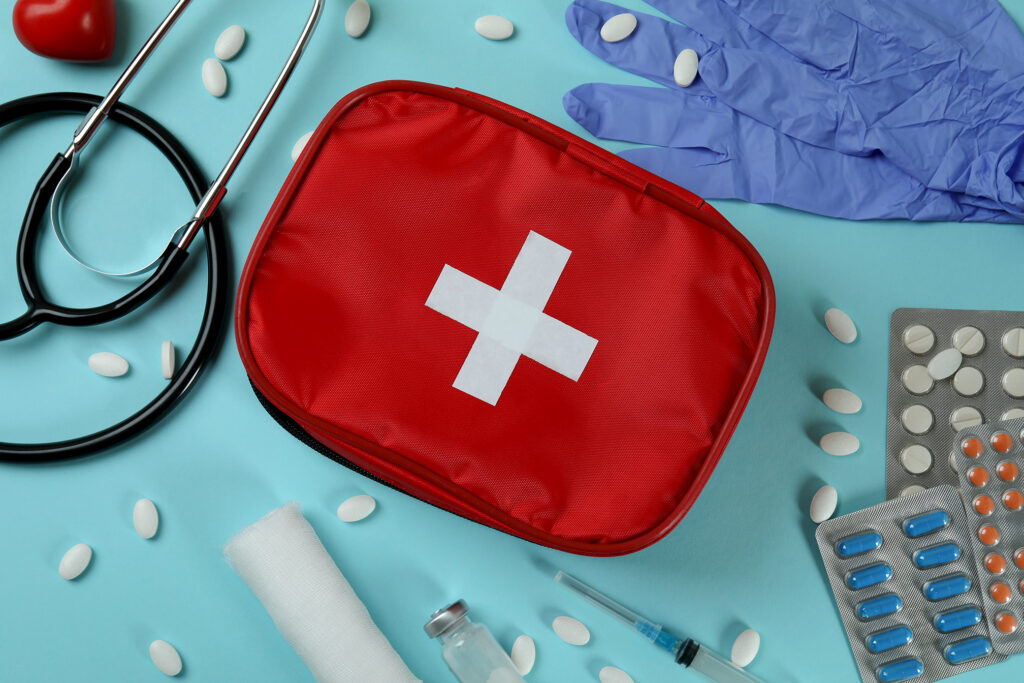
Maintain records: Keep records of all first-aid treatment, inspections, incident investigations and training activities

Make a list of all potential biohazard inside the hotel with a waste log
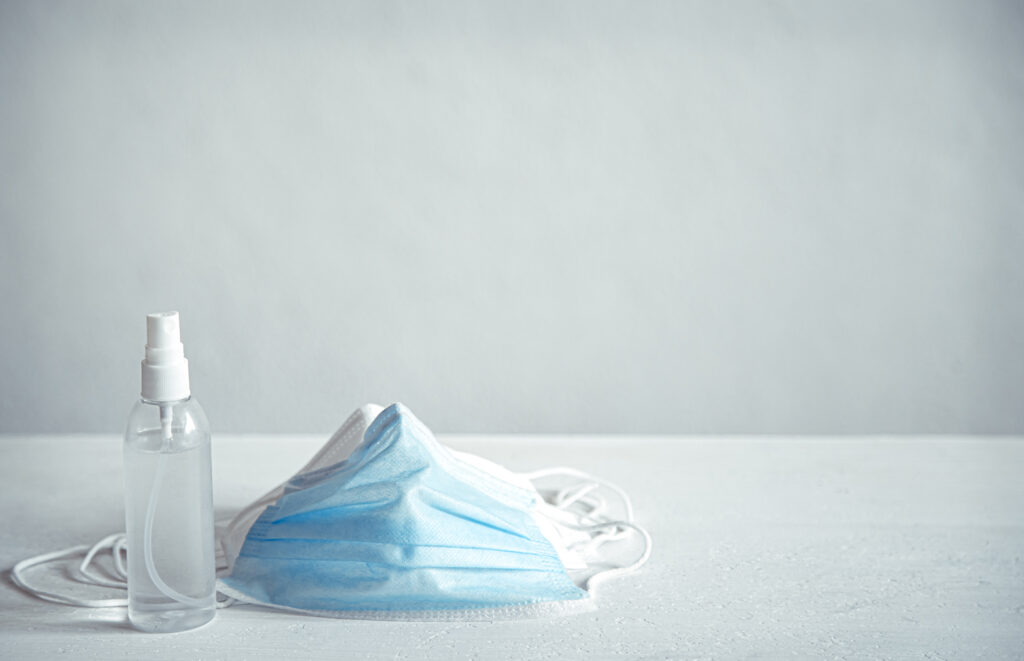
Make hotel policies against covid-19 clear and clarify the guest’s role in them
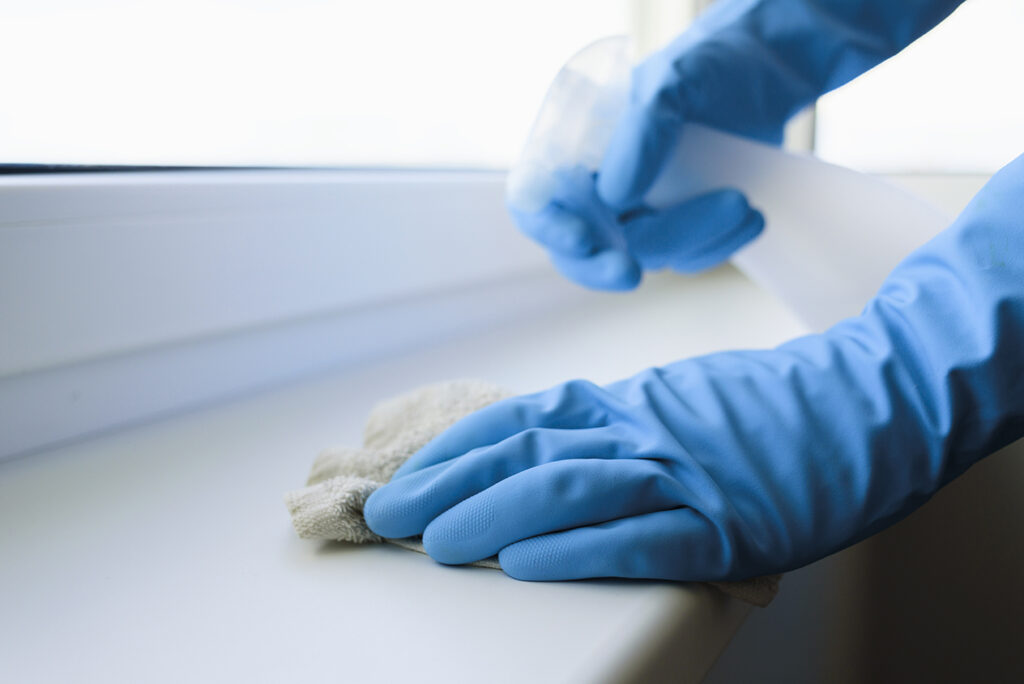
Make sure the surfaces are clean and always dry to prevent the potential risks

Meeting and banquet arrangements shall allow for physical distancing between guests based on WHO recommendations. All recommended cleaning and sanitization protocols should also be enforced in these spaces.

Monitor the casualty rate in the kitchen and note whether accidents happen over a long or short period of time

Monitoring of residual chlorine and pH levels should form part of the daily maintenance plan for swimming pools. Recommended residual chlorine level between 1 and 3 mg/L in treated recreational waters such as swimming pools, spas, and hot tubs. For effective disinfection, the pH of these waters should be between 7.2 and 7.8.